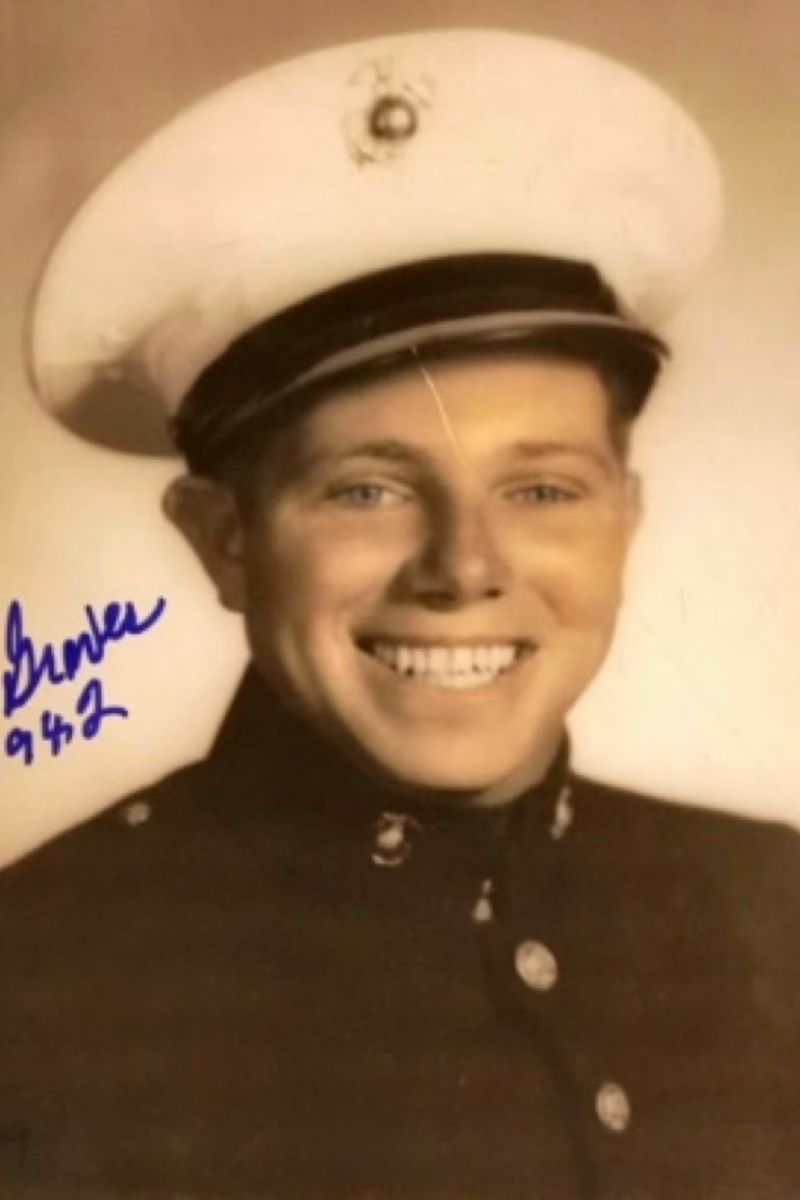
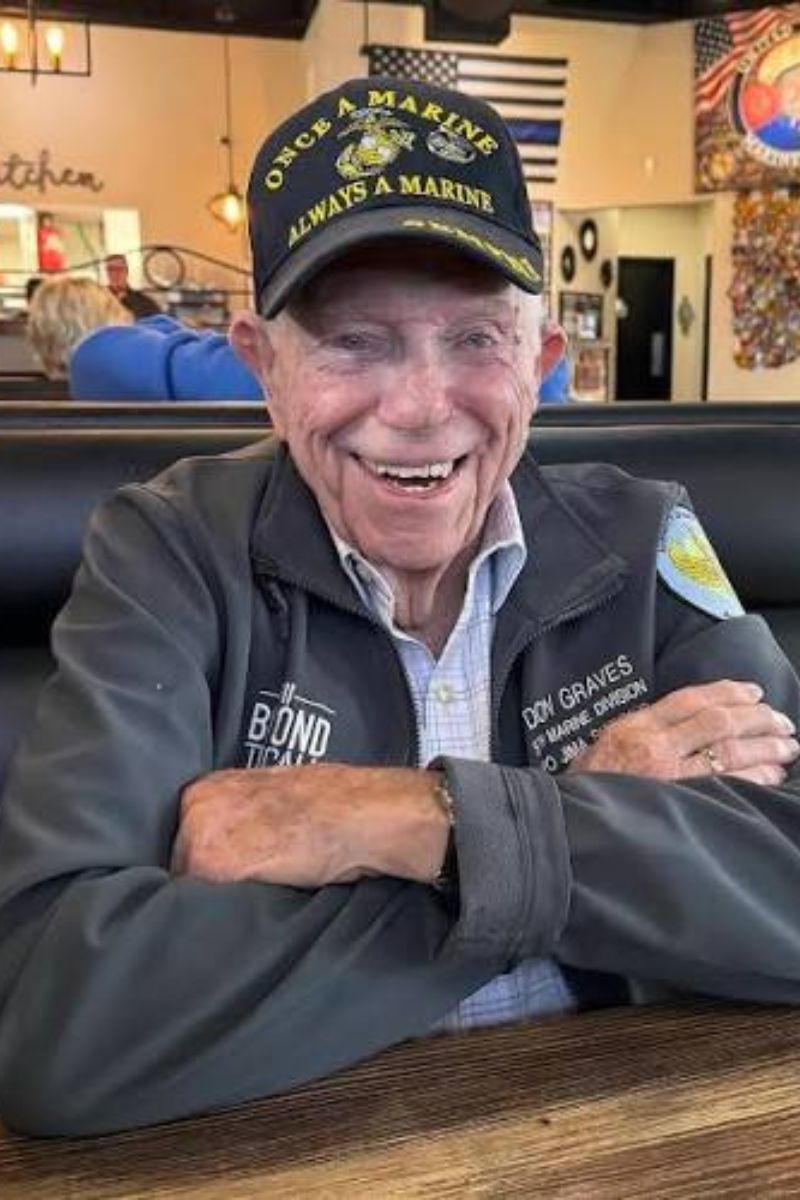
Corporal Donald Graves is a survivor of the battle of IWO Jima (19 February 1945 – 26 March 1945). He fought on the island with the US Marine Corps 5th Marine Division, 2nd Battalion, 28th Marine Regiment, D-Company.
Corporal Graves was born in Detroit, Michigan in 1925. Feeling a duty to enlist following the attack on Pearl Harbor on 7 December 1941, at the age of 16, he quit school and went to the Marine Recruiting office. He was told to return when he turned 17, which he did. He enlisted on 17 August 1942 and a few weeks later, he found himself at basic training at Camp Pendleton, California. He was initially assigned to an artillery unit. Several units were broken up to create the 5th Marine Division which was activated on 11 November 1943. Corporal Graves was assigned to the 28th Marine Regiment.
Corporal Graves, at 5 feet, 6 inches and 145 pounds, carried a 72-pound flamethrower on his back and a .45 caliber pistol on his hip. It was not until a day before the landing that they learned of their destination. Their mission was to secure the island and its three airfields. Corporal Graves Battalion, upon hitting the beach, was to take Mount Suribachi. During the landing, with the Japanese firing upon them from above, Corporal Graves did something he had not done before – he prayed. He prayed to God that if He would get him off the beach that he would serve Him the rest of his life. God did get him off the beach and off the island, but Corporal Graves did not get his calling until nine years later.
It took Corporal Graves and his platoon three days to go the 545 feet from the foot of Mount Suribachi to the top. Upon arriving at the top, he saw the flag going up. The iconic photo taken by Associated Press photographer Joe Rosenthal was the second flag raised that day. From that day forward, it became a symbol of patriotism, the grit of the U.S. Marines, and the toll of victory for generations to come.
Corporal Graves fought his way across the island over the six weeks. He witnessed savagery and death. One incident that he recalls vividly to this day is when he was in a foxhole with two of his buddies. He was propped up at the top of the hole looking for snipers but saw none. A replacement joined them in the foxhole. When Corporal Graves went to go back up and look again for snipers, the replacement asked to take his place. Corporal Graves tried to dissuade him, but he insisted. While the replacement was looking, Corporal Graves and his buddies were talking. Just then, a shot hit the replacement. As he fell to the ground, his helmet came off his head and spun around at Corporal Graves’ feet. Graves looked down and, after the helmet quit spinning, he saw a photo in the helmet of a woman with a baby in her lap. He lost it. He took off his equipment, his helmet. He cursed the island, he cursed the Corps, and he cursed God. He had already forgotten the promise he made on the beach. Corporal Graves composed himself, they moved to another foxhole, called in the casualty, and continued to fight on to Hill 362.
At the end of the six-week battle, Corporal Graves unit assembled to leave the island. Of the 335 men in his unit who hit the beach with him, only 18 were left. No officers among them. At the suggestion of an officer, they visited the island’s cemetery to pay their respects to their fallen comrades. They noticed that as men ahead of them were entering the cemetery they had stopped to read something. Upon arriving at the gate to the cemetery, Corporal Graves read what was written. It said, “Fellas, when you get home, tell them we did our best, that they may have many more tomorrows”. He reminds those he speaks to that they are living those many more tomorrows.
Corporal Graves completed his military service and was honorably discharged on 12 January 1946. He returned home to Detroit. There he met and married his wife, Rebecca. Early in their marriage, Corporal Graves struggled. He worked a variety of jobs, including being a public singer. While he does not call it post traumatic stress, he had all the signs. Nine years after the battle, Corporal Graves returned from a fishing trip to a call from his landlord. The landlord told him that he was a mess, and he could not help himself. He asked Corporal Graves to take him and his wife to a Billy Graham program. He did so and that was a changing day for him. Corporal Graves will tell you that, while he forgot his promise on the beach, God never did. That very night, God started the work in him. He was called to the ministry and served the church for 32 years with his wife by his side. He left his last of five churches at the age of 82. A few years later, he lost his wife Rebecca. They had been married 70 years when he lost her to a years long battle with dementia.
After moving to Texas, Corporal Graves became a public speaker. He became member of Roll Call of North Texas in 2015 which provides a free monthly veteran’s luncheon in the DFW area. He has spoken at schools, churches, civic organizations, military organizations, and businesses. In the early days of Roll Call, Corporal Graves speaking engagements were the primary way of funding the luncheons. Corporal Graves has sung the National Anthem and God Bless America at Ranger’s games, celebrity softball games, fundraising events for many local organizations, and will soon sing to a national audience at the 24 September Texas NASCAR race. He will speak and/or sing almost anywhere he is invited. He averages more than 100 events each year. He likes to say, “There are too many young people to educate, comrades to honor, and audiences to entertain before I stop”.
(Current as of August 2023)
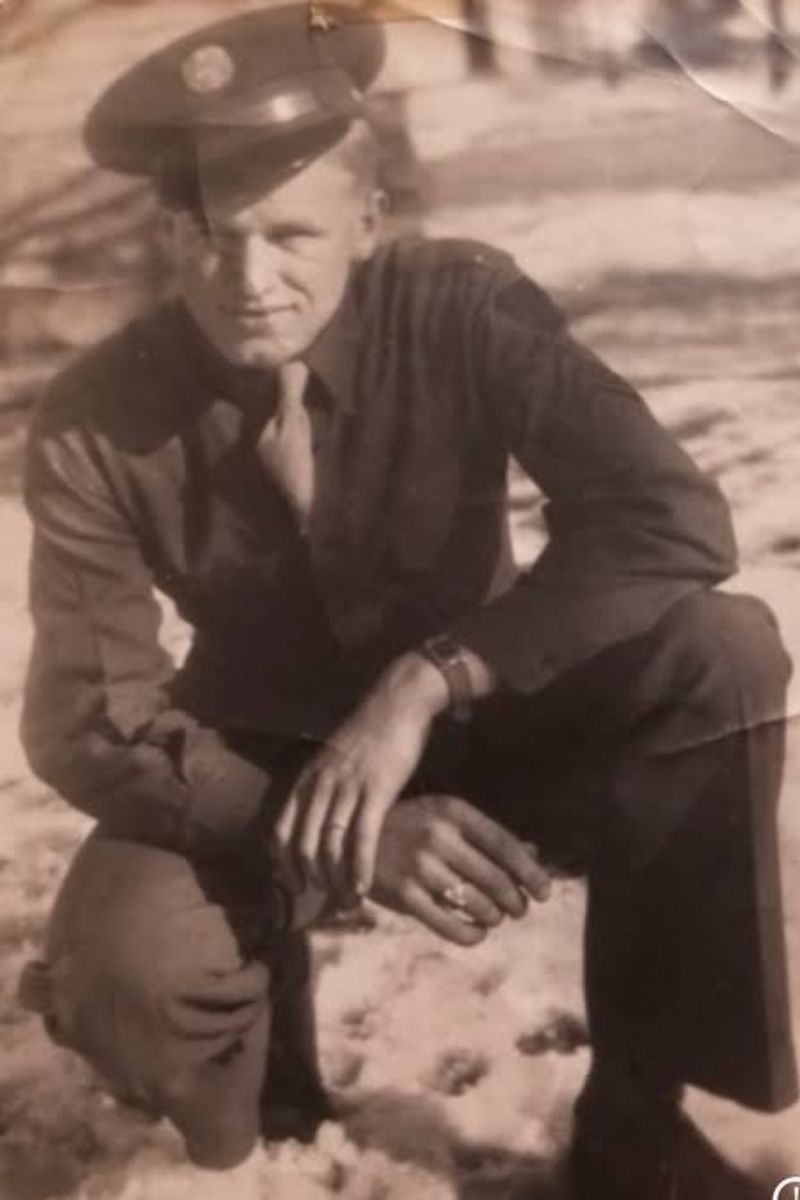

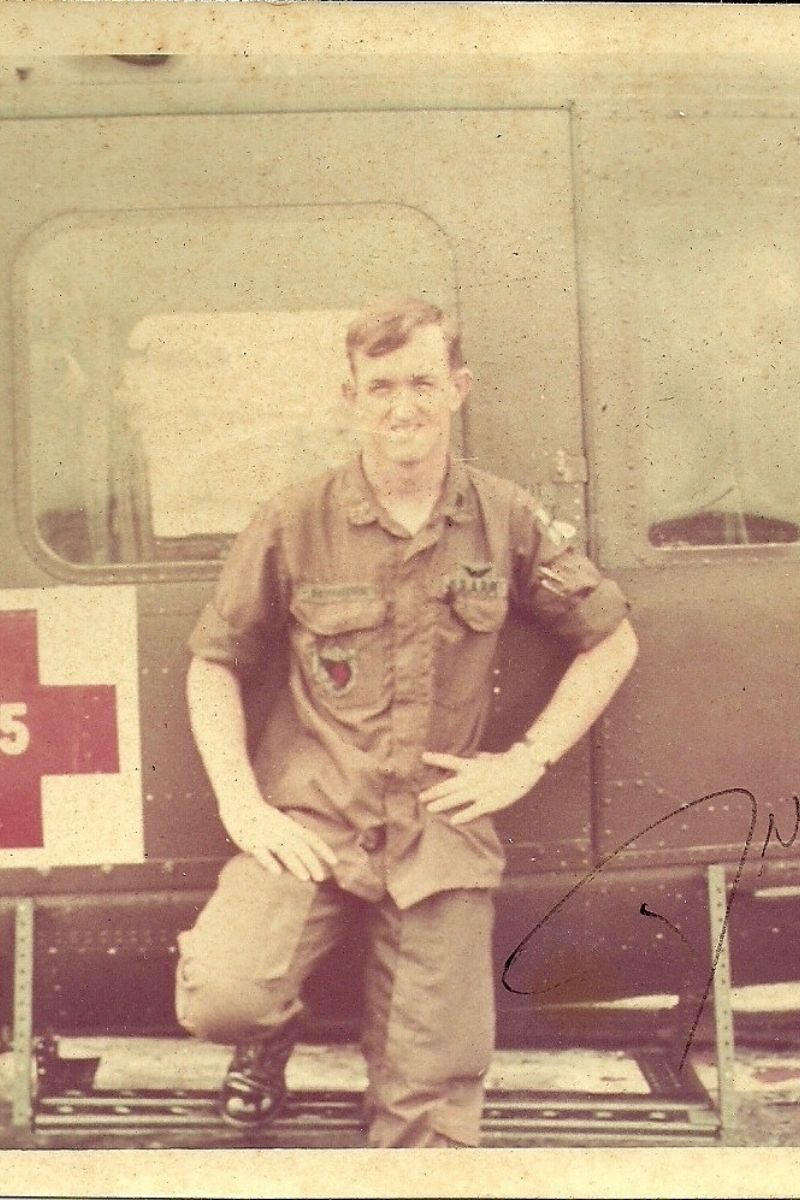
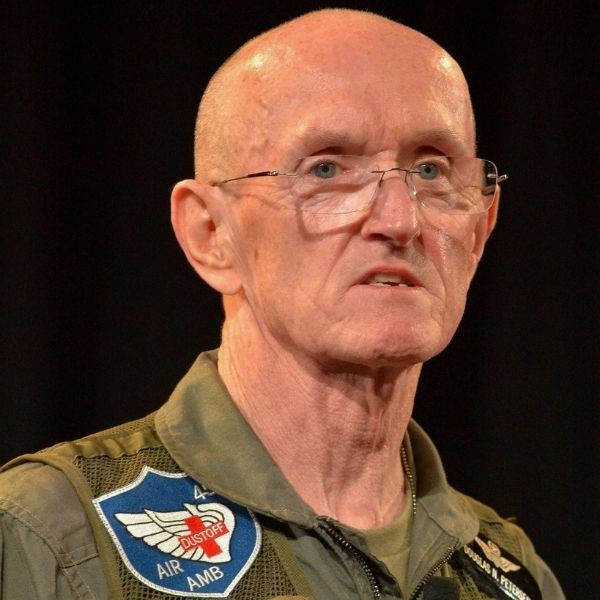
Chief Warrant Officer Doug Petersen grew up on the East Coast and began his lifelong
commitment to service early, enrolling in a military college before enlisting in the U.S. Army.
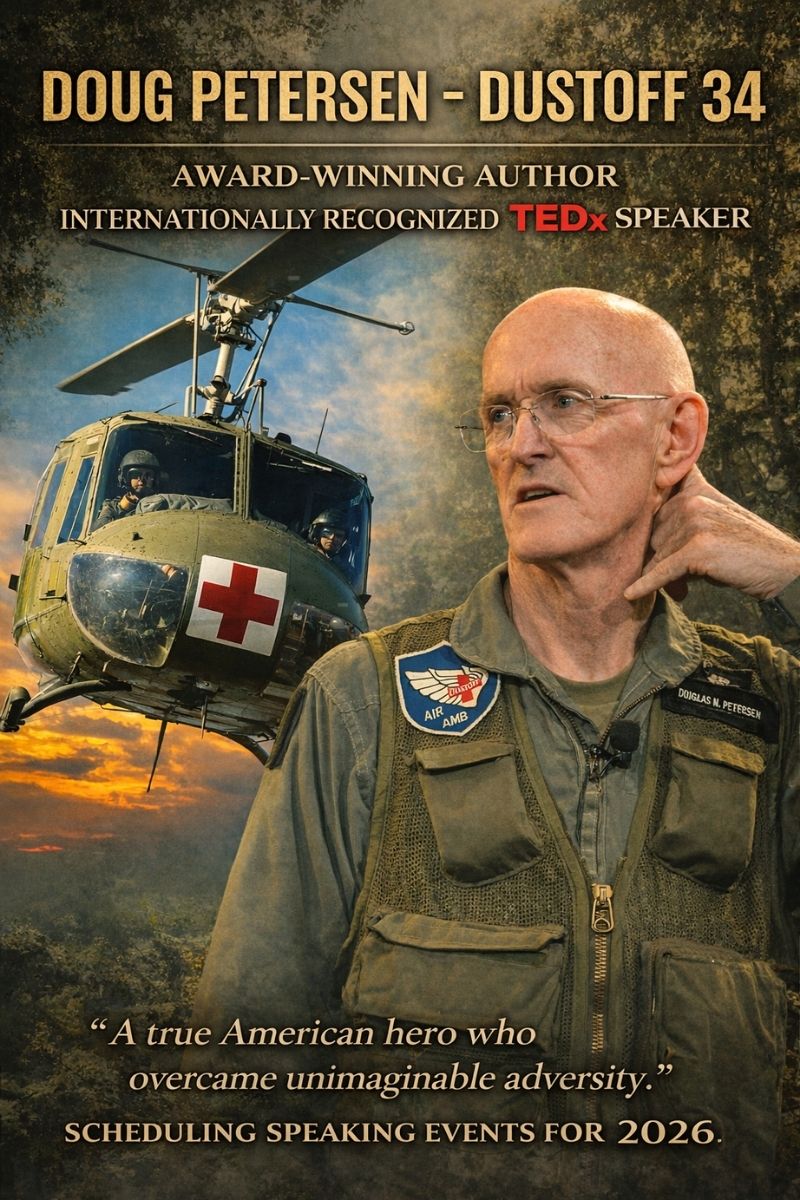
He became a helicopter pilot and served as a medevac pilot in Vietnam, flying under the call
sign Dustoff 34. As a decorated Vietnam veteran, Doug flew life-saving missions under fire,
rescuing hundreds of wounded soldiers and civilians from the battlefield.
He continued his military career for over 20 years, serving as an Army aviator with assignments across the U.S. and two
tours in Germany. Throughout his service, he flew several aircraft, including the UH-1H Huey, OH-58A Kiowa, UH-60A
Blackhawk, C-12, and U-21. Doug, and his fellow Vietnam Dustoff crew members were awarded the Congressional Gold
Medal—Congress’s highest civilian honor that can be bestowed on an individual or group.
Following his military retirement, Doug dedicated 25 years to the financial services industry, where he helped military
families build financial security. His commitment to serving others continued through writing, public speaking, and
coaching. Doug is the award-winning author of six inspirational books, three of which received Global eBook Awards in the
Inspirational/Visionary Non-Fiction category. His latest work, Call Sign: DUSTOFF 34 – Hovering Between Life and Death,
offers a powerful and deeply personal account of his experiences flying medevac missions during the Vietnam War. The
book captures the harrowing realities of combat rescue and honors the courage of the Dustoff crews who risked everything
"so others may live."
Doug has spoken nationally, including a TEDx talk in San Antonio where he recounted one of his Dustoff missions in
Vietnam.
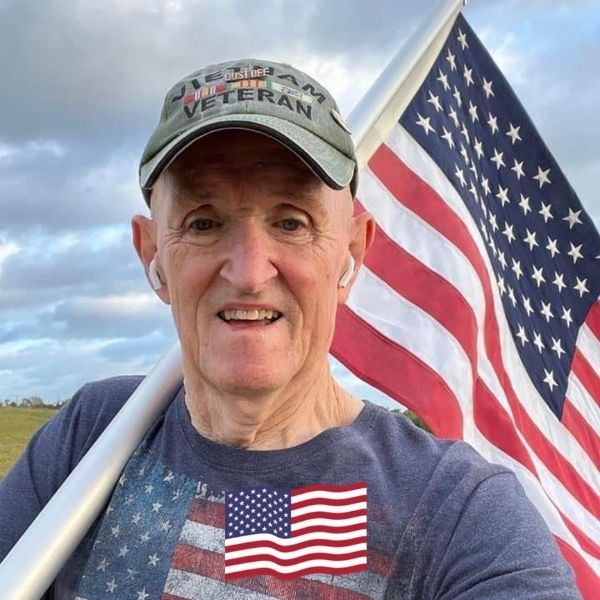
Doug and his wife, Ann, remain actively involved in volunteering with several non-profits that support military and veteran
families.
MAJOR AWARDS AND DECORATIONS
Congressional Gold Medal – Public Law 118-87
Meritorious Service Medal
Air Medal (21)
Army Commendation Medal – 3 oak leaf clusters
Army Good Conduct Medal
National Defense Service Medal
Vietnam Service Medal – 2 stars
Armed Forces Reserve Medal
Army Service Ribbon
Army Overseas Service Ribbon
Republic of Vietnam (RVN) Campaign Medal
Army Presidential Unit Citation
Republic of Vietnam (RVN Gallantry Cross Unit Citation
(Current as of January 2026)